LIFE ON BOARD
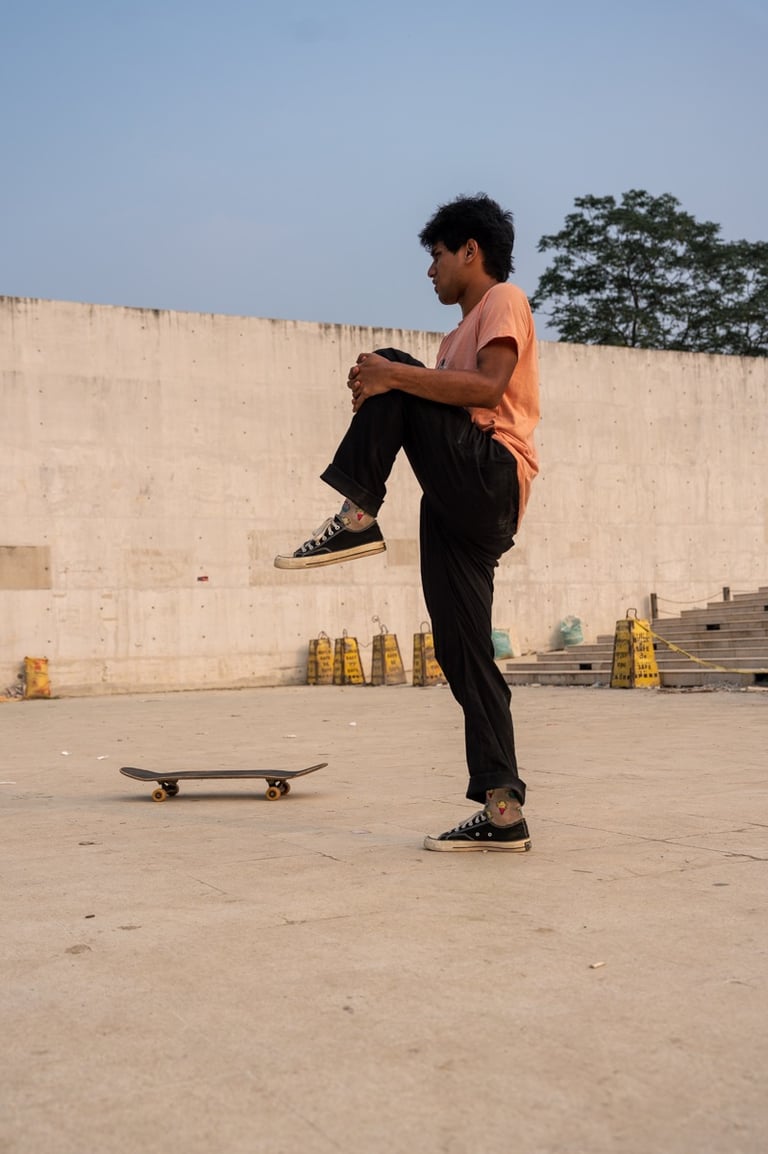
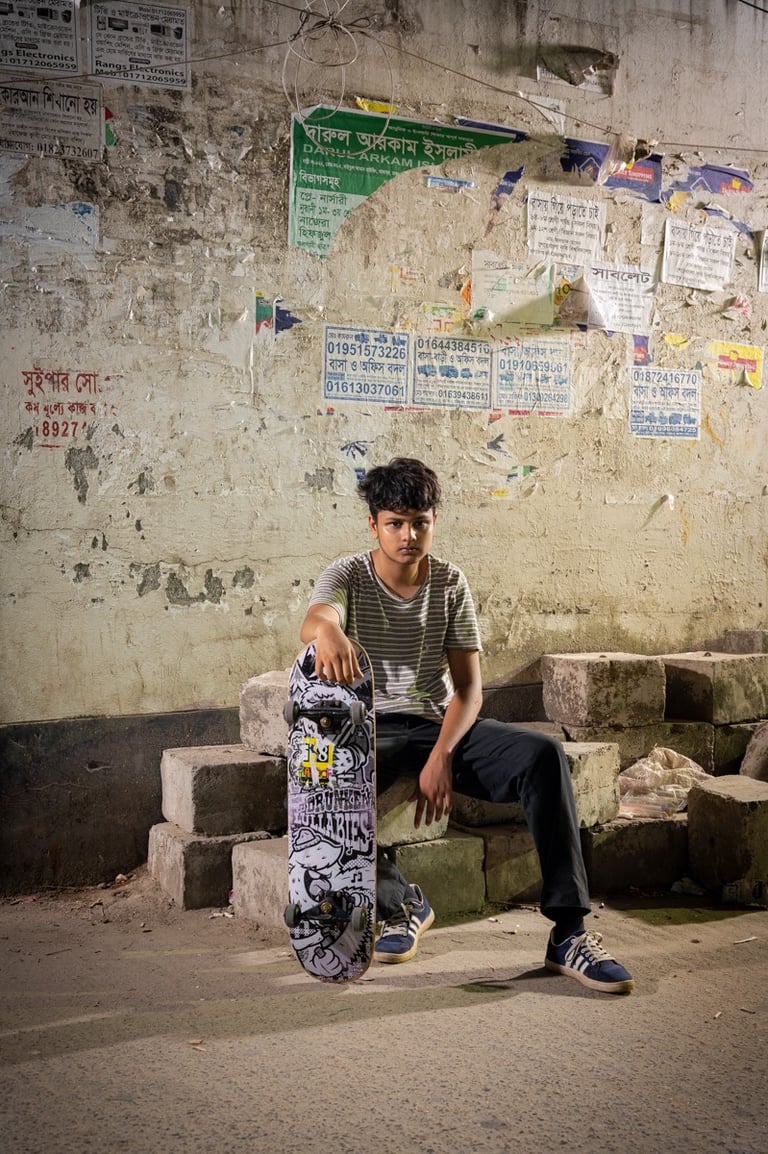
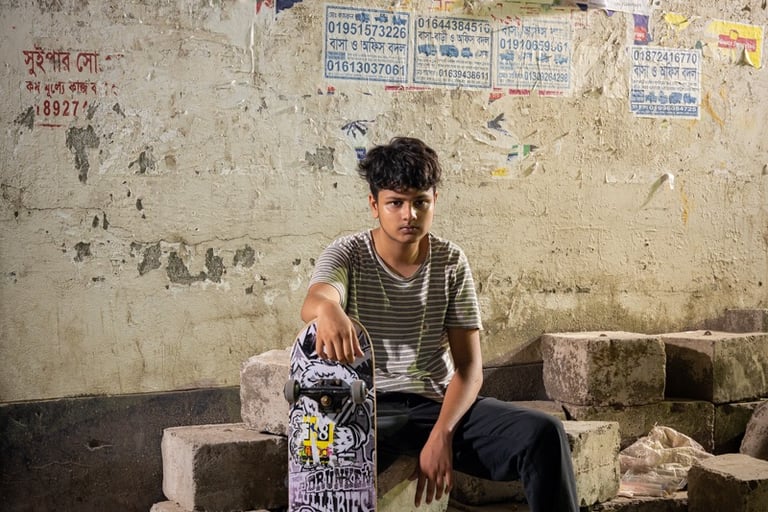
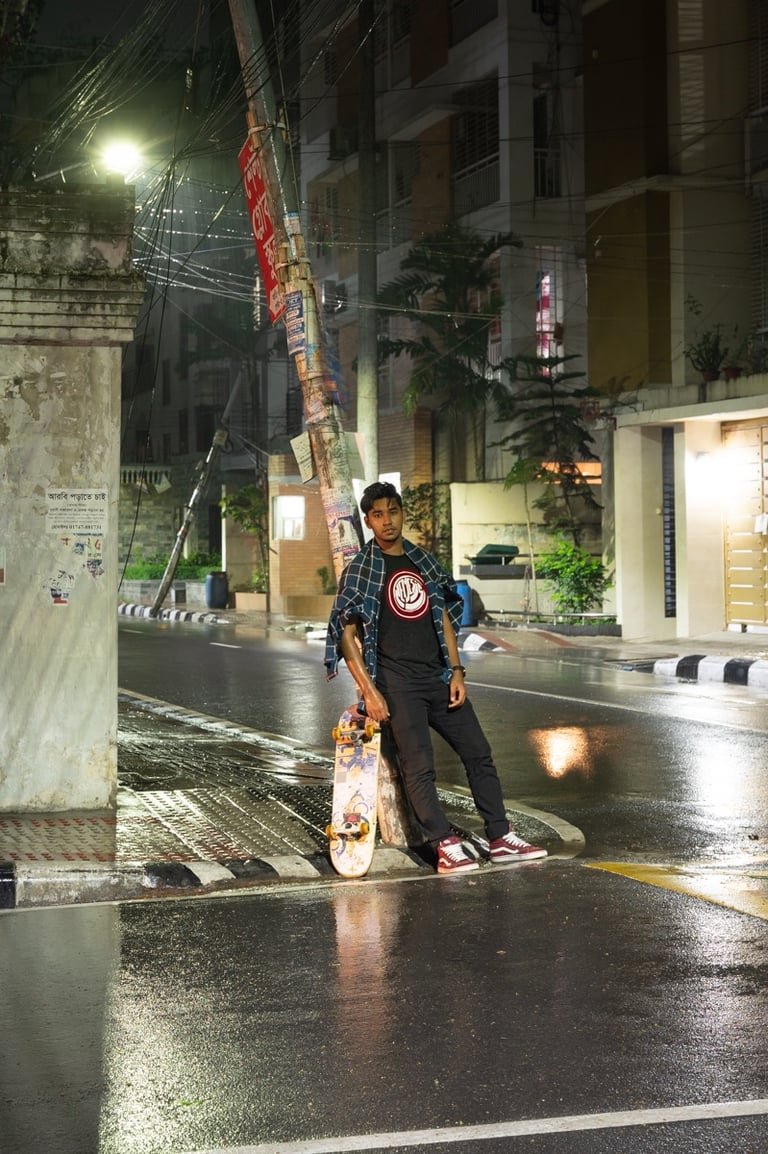
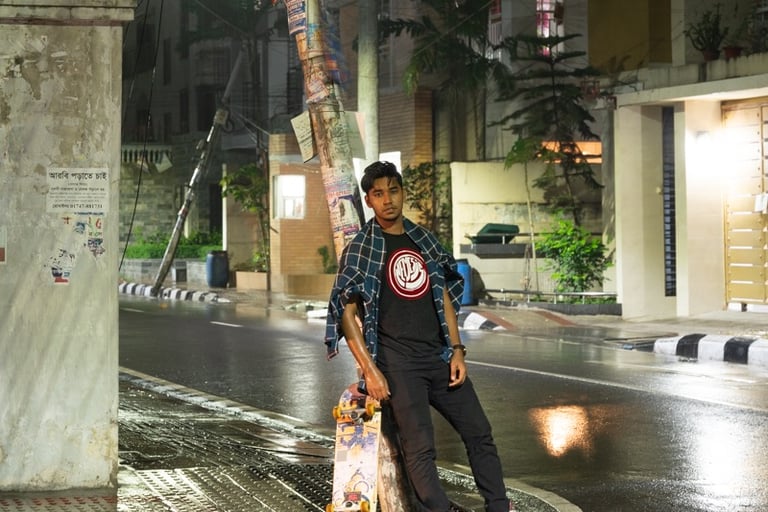
In a city designed for traffic rather than people, the sound of a skateboard hitting the pavement in Dhaka operates as a sonic glitch. It is a rhythm of defiance against the relentless, gridlocked hum of the megalopolis. To be a skater in Bangladesh is to navigate a landscape of exclusion. There are no manicured municipal skateparks here; the architecture of the city is often hostile.
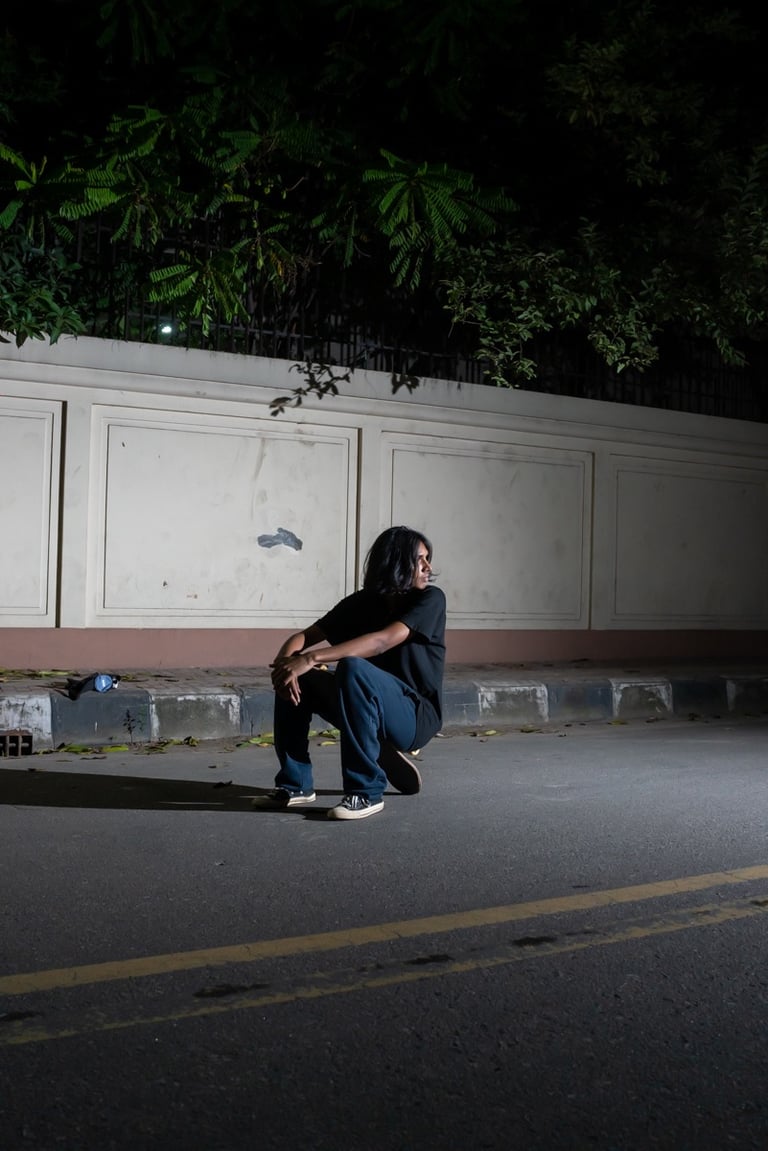
The struggle is physical and social. Skaters—congregating in the marble plazas of Chandrima Udyan or the abandoned corners of Banani—face constant surveillance. They are frequently chased away by police who view their gathering as a threat to public order, and judged by a conservative society that often labels them as bokhate (wayward youth). They contend with cracked asphalt, suffocating humidity, and a scarcity of imported gear. In a culture that heavily prioritizes academic rote learning and stable government jobs, the act of falling down and getting back up for 'no reason' is seen as a confusing aberration.
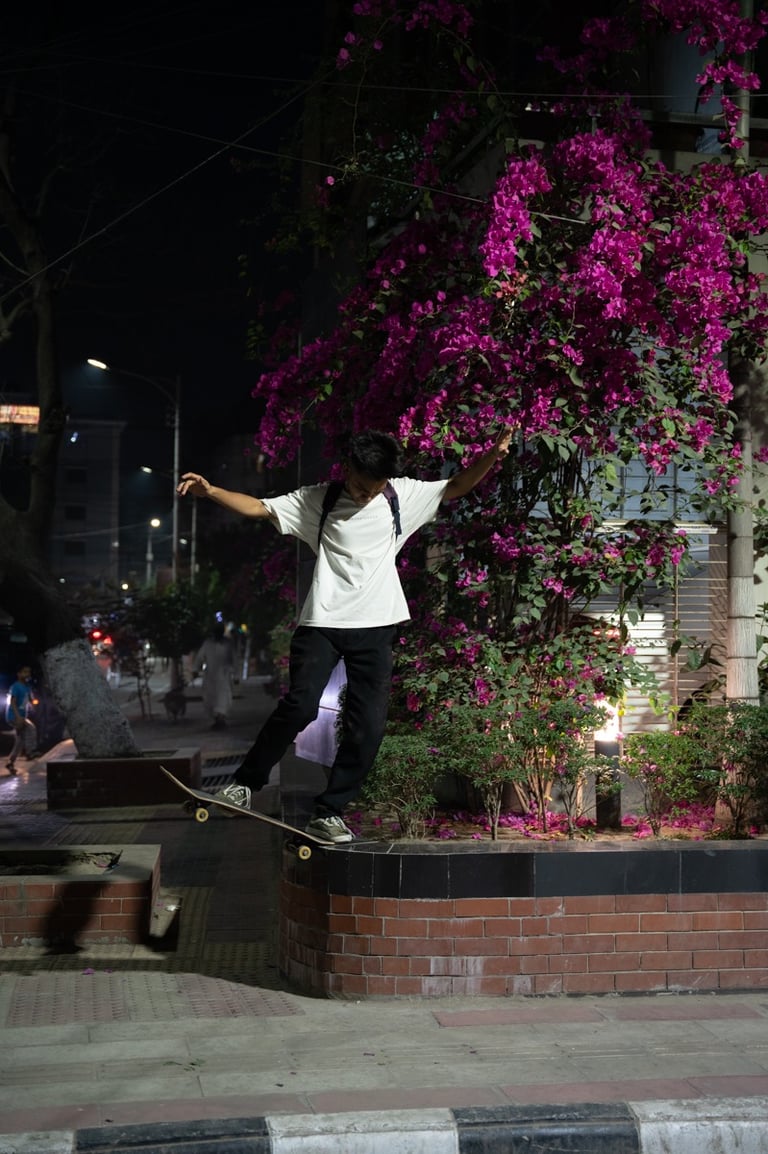
Yet, the community thrives on this very friction. This is resilience in motion. When authorities erect fences, the skaters migrate to new corners. They engage in "Do-It-Yourself" urbanism, building makeshift ramps from construction scrap and turning the city’s neglect into a playground. The skateboard becomes a tool for reclaiming public space, transforming a hostile urban environment into a site of radical play and brotherhood.
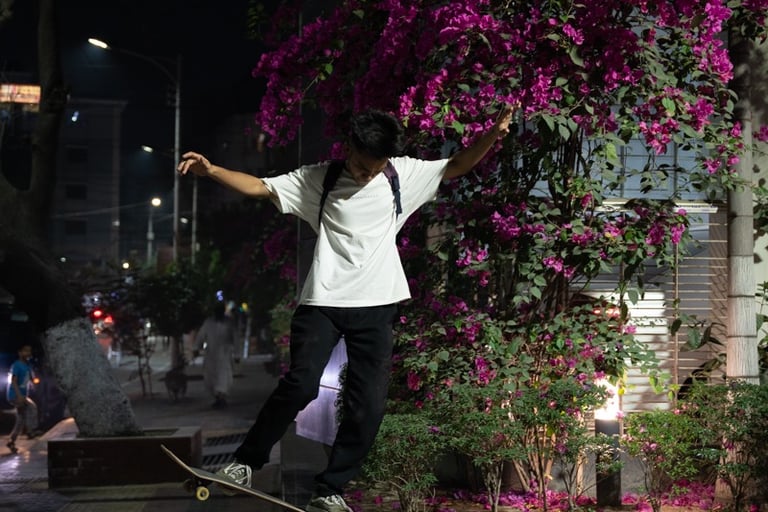
It is a subculture that dissolves class barriers—on the board, the only currency is the skill you possess and the courage to commit to the drop. In the bruised knees and worn-out shoes of Dhaka’s skaters, we see a refusal to conform. Every kickflip is a small revolution, a fleeting moment of flight in a city that tries to keep its feet firmly on the ground.