A SILENT WISHPER
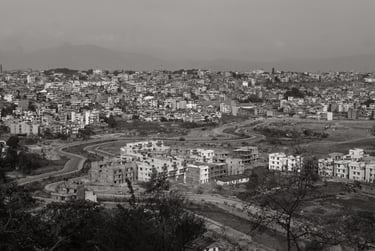
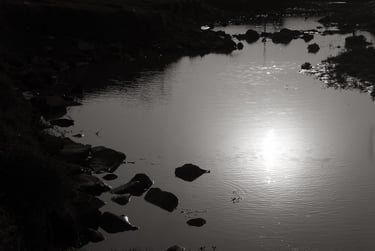
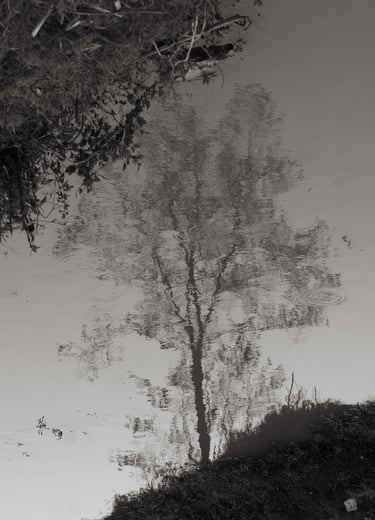
My journey following Kathmandu's Bagmati River was a stark reminder of a lifeline fading. Once a vital route of the city, the river now whispers a melancholic story.
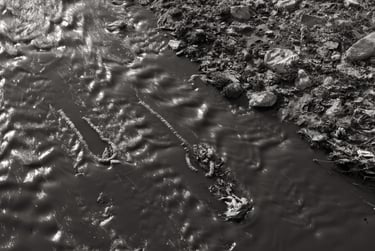
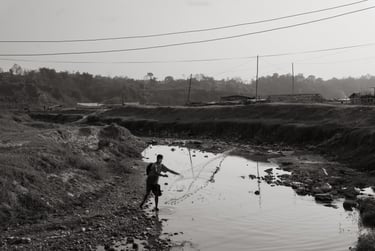
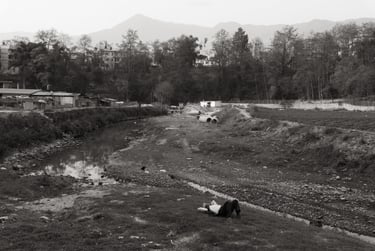
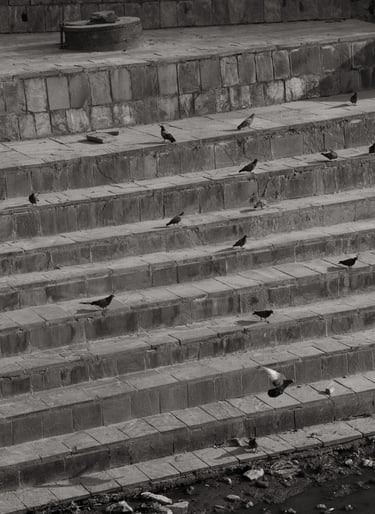
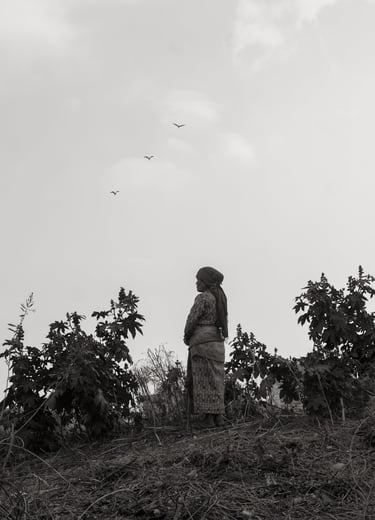
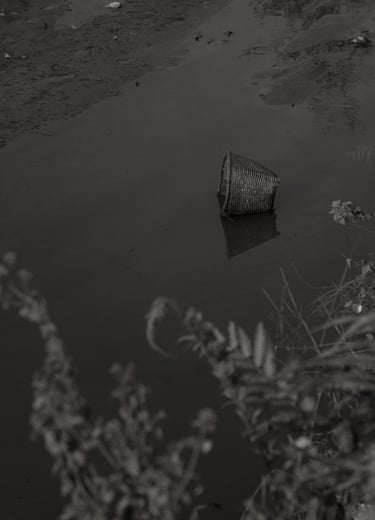
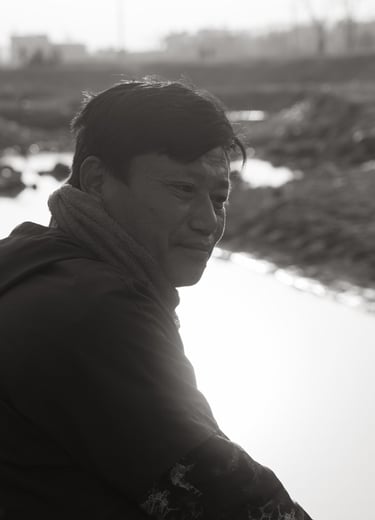
Along its banks, people performed rituals, their reverence a testament to the river's sacred past. Yet, the water itself lay choked with pollution, unfit even for thirsty crops. Farmers toiled nearby, their fields a stark contrast to the river's decline. Domestic animals grazed on the banks, keeping their eyes on them from drinking the tainted water. Even leisure seekers found a somber solace by the river, a few even attempting the futile act of fishing in its dark depths.
Throughout my exploration, a sense of distance lingered. The river's once vibrant life had leached away, replaced by a monochrome palette of neglect. This distance echoed within me, a reflection of the growing disconnect between the people and their once-pristine source of life.
Despite the despair, hope remains. The very resilience of those who depend on the Bagmati, coupled with a growing awareness of the problem, suggests a chance for change. Perhaps acknowledging the chasm created by pollution can bridge the gap and propel us towards action. Only then can we truly step into the river, not as observers, but as active participants in its revival.